
Designing an Eye-Catching Open "Live Kitchen"
Transform your dining space by designing an open "Live Kitchen." Discover how to select aesthetic and high-performance commercial equipment to engage guests.
The open kitchen or "Live Kitchen" blueprint has graduated from a modern architectural trend into one of the most effective experiential marketing tools in the food industry. Granting your guests an unobstructed view of the hot line builds instant transparency, fosters culinary trust, and elevates a standard meal into an engaging visual performance. However, pulling your back-of-house operations into the front-of-house fundamentally changes your equipment selection and spatial engineering rules.
Aesthetics and Sanitation: Machinery as Centerpiece Decor
In an open-concept restaurant, every stainless steel surface, range burner, and prep tool is a component of your interior design. You no longer have the luxury of hiding scuffs or cluttered workspaces behind a swinging service door.
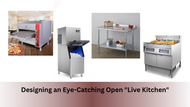
Consequently, your equipment selection must prioritize sleek profiles and premium finishes that resist smudging and can be easily wiped down mid-service. Leading brands like Coriat design modular cooking suites that present an immaculate, high-end profile to the public while retaining the raw industrial BTUs required to execute rapid high-volume plating. Keeping these forward-facing surfaces pristine directly reinforces the consumer's perception of high hygiene standards and kitchen pride.
Mastering Climate, Odor, and Acoustic Barriers
The greatest operational obstacle when removing BOH walls is preventing kitchen elements from bleeding into the ambient comfort of the dining room. Success requires two critical engineering safeguards:
-
Precision-Engineered Air Containment: Exhaust hoods over a display kitchen must be meticulously calibrated to trap smoke, airborne grease, and intense cooking aromas before they cross the threshold into the seating zone. A perfectly balanced makeup air system is critical to prevent unpleasant draft patterns for your guests.
-
Acoustic Management: Commercial lines are loud environments. Sourcing heavy-duty commercial refrigeration engineered with low-decibel compressors and arranging prep sequences to reduce the clatter of smallwares ensures that the visual theater of your kitchen doesn't disrupt guest conversation.