
How Built-in Filtration Systems Cut Restaurant Costs
Lower operational costs by extending oil life. Explore how commercial fryer oil filtration systems preserve food quality and bottom-line profit.
Cooking oil represents one of the highest recurring supply line expenses for any foodservice business. Discarding gallons of broken-down frying oil every few days rapidly erodes operating margins while compromising the flavor profiles of your fried menu items. Deploying commercial fryer oil filtration systems is the single most effective operational practice for optimizing oil life and securing plate consistency.
The Primary Drivers of Oil Degradation
Commercial oil breaks down due to four persistent elements present during heavy service shifts: extreme thermal stress, moisture, salt, and sediment buildup. When loose flour or batter sediment settles at the bottom of the fry pot, it burns continuously. This chemical breakdown releases free fatty acids that darken the oil, breakdown its smoke point, and impart a bitter taste to your food.
The Operational ROI of Daily Filtration
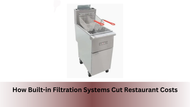
Whether leveraging built-in filtration banks tucked under the fry pots or utilizing mobile portable filtration caddies, structured daily filtration changes your bottom line:
-
Direct Supply Cost Reduction: Filtering hot oil once or twice daily strips away microscopic carbonized particles, extending usable oil life by 50% or more.
-
Flavor Uniformity: Ensures your fried chicken, fries, and appetizers come out with a clean, golden crunch without absorbing bitter or burnt flavor notes.
-
Kitchen Safety Protocols: Automated closed-loop filtration eliminates the hazards associated with staff manually hauling buckets of hot grease across wet kitchen floors.