
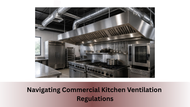
Navigating Commercial Kitchen Ventilation Regulations
Understand the legal and operational differences between Type 1 and Type 2 commercial kitchen exhaust hoods to pass city fire codes.
Your kitchen’s ventilation layout is one of the most technical and critical capital investments you will make. It regulates thermal comfort and air quality for your culinary crew while acting as the primary defense against commercial building fires. Misunderstanding the structural requirements of commercial kitchen exhaust hoods can trigger failed inspections, delayed opening dates, and expensive retrofit bills.
Type 1 Hoods: Built for Grease, Smoke, and Open Flame
If your culinary execution involves frying, charbroiling, searing, or deploying any equipment that releases airborne grease or open flames, building and fire codes mandate a Type 1 Exhaust Hood.
-
Primary Application: Suspended directly over commercial deep fryers, charbroilers, gas ranges, and open-flame griddles.
-
Safety Engineering: Built with heavy-gauge liquid-tight welded stainless steel seams to prevent hot grease seepage into wall cavities. They require removable baffle grease filters and must integrate an automated fire suppression system (such as Ansul) designed to extinguish grease fires instantly.
Type 2 Hoods: Heat Condensation and Moisture Removal
Type 2 Hoods (often called condensate hoods) are engineered exclusively for appliances that produce high ambient heat and heavy water vapor, but zero airborne grease.
-
Primary Application: Positioned over commercial high-temperature dishwashers, steam kettles, and large baking ovens.
-
Core Function: They exhaust steam and extreme heat to mitigate humidity buildup, prevent mold growth on ceiling tiles, and maintain lower ambient room temperatures without requiring expensive chemical fire suppression systems.
Sizing and specifying the exact hood configuration ensures your restaurant complies with national NFPA standards while securing a safe working environment.