
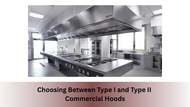
The Air in Your Kitchen: Choosing Between Type I and Type II Commercial Hoods
Avoid costly city inspection failures and fines in Texas by understanding the strict legal and operational differences between Type I and Type II hoods.
A commercial kitchen's ventilation system is one of the most strictly regulated and heavily inspected components of any food service build-out. It isn’t just about pulling smoke out of the building; it’s about absolute compliance with local building, health, and fire safety codes. Selecting the wrong hood configuration will not only compromise your kitchen's airflow but can completely stall your grand opening timeline.
Type I Hoods: Engineered for Grease and Fire Mitigation
If your menu involves frying, grilling, charbroiling, or any cooking process that produces smoke and grease, a Type I hood is legally non-negotiable. These units are specifically engineered to capture, contain, and extract airborne grease particles and combustible vapors.
-
Key Requirements: They are constructed from heavy-gauge stainless steel, utilize removable liquid-grease baffle filters, and must, by law, be integrated with a certified fire suppression system (such as an ANSUL system).
-
Appliances that need them: Commercial deep fryers, gas ranges, flat-top griddles, charbroilers, and high-capacity ovens cooking animal proteins.
Type II Hoods: Heat, Steam, and Odor Control
Unlike grease hoods, Type II ventilation systems are not rated to handle combustible vapors or grease-laden air. Instead, their primary function is to optimize back-of-house working conditions by collecting and removing intense radiant heat, ambient moisture, and steam.
-
Key Requirements: Because they do not handle grease, they do not require integrated fire suppression systems or heavy baffle filters, making them significantly more affordable to purchase and easier to install. Their main purpose is condensate control and climate comfort.
-
Appliances that need them: High-temperature commercial dishwashers, standard bakery ovens, steam kettles, and commercial pasta cookers.
Mapping out your hot line and dish room according to these precise ventilation rules safeguards your capital investment, ensures a comfortable workspace, and guarantees a smooth pass during your local fire and health department inspections.